What Is an Evaporative Cooler?
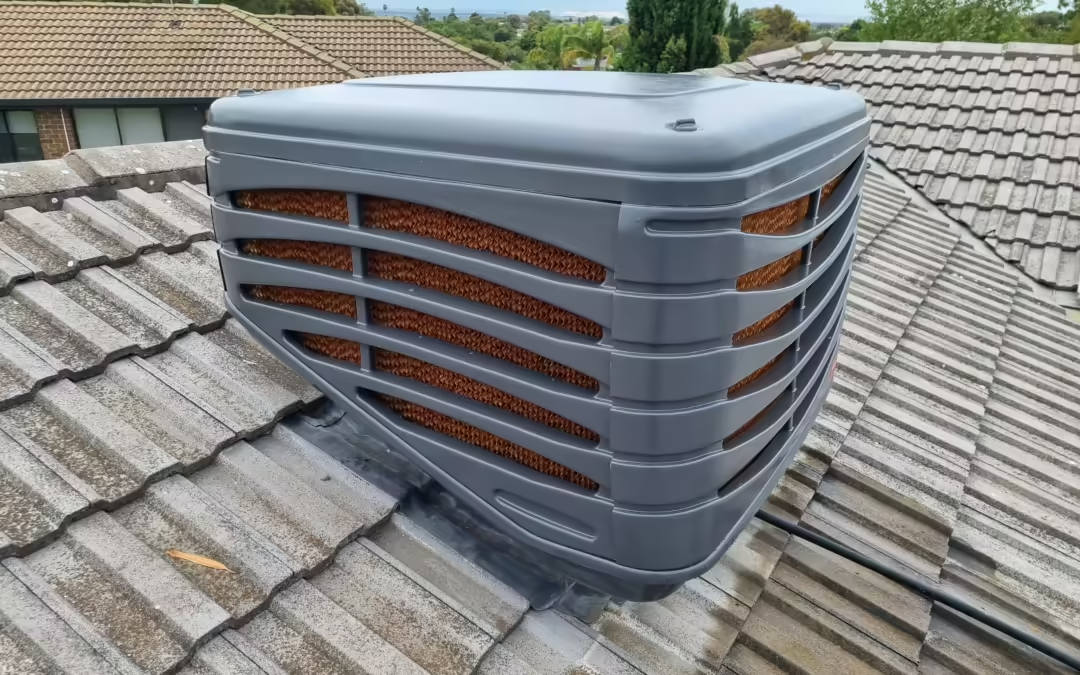
Want a cooling solution that lowers temperatures by over 15 degrees and uses up to 75% less energy than split-system air conditioners? Welcome to the world of evaporative air conditioning. Unlike conventional air conditioners, evaporative coolers work with nature, pulling hot outside air through water-soaked pads where evaporation cools it down. They’re perfect for hot, dry climates like we get here in Adelaide, helping you save on power bills and create a healthier indoor environment. As the evaporative cooler experts, we’ll explain everything you need to know about these systems, from basic operations to pros and cons compared to other air conditioners.
What Is an Evaporative Cooler and How Does it Work?
Evaporative coolers are one of the oldest and quickest ways to cool your space, with a history stretching all the way back through medieval Persia and ancient Rome. These systems use the same basic principles of how sweat cools your skin to lower indoor temperatures.
The science behind evaporative cooling
The science is simple: evaporating water absorbs heat. The evaporative process needs energy, which it gets from the surrounding air’s heat. Water absorbing heat during its change from liquid to vapour takes up a lot of thermal energy, causing the surrounding air temperature to drop.
How air is cooled and distributed
The system pulls warm outside air through water-soaked cooling pads. The water in these pads evaporates and takes heat from the passing air. A fan moves this cooled air through your home’s ducts, which creates a steady stream of fresh, cool air. Split-system air conditioners keep recycling the same air, but evaporative systems give you 100% fresh outside air. These systems need just a few parts to work, mainly a fan, water pump, and control module, which uses up to 80% less energy than split-system air conditioning.
Why ventilation is essential for performance
These systems constantly bring in fresh air, so you need to let the old air escape through open windows or doors. Poor ventilation can cause several issues:
- Your home’s humidity levels rise, making it feel stuffy
- The cooling becomes less effective as evaporation slows down
- Moisture might build up in your space
The right balance helps the air flow properly through your home and maximises cooling in all rooms. 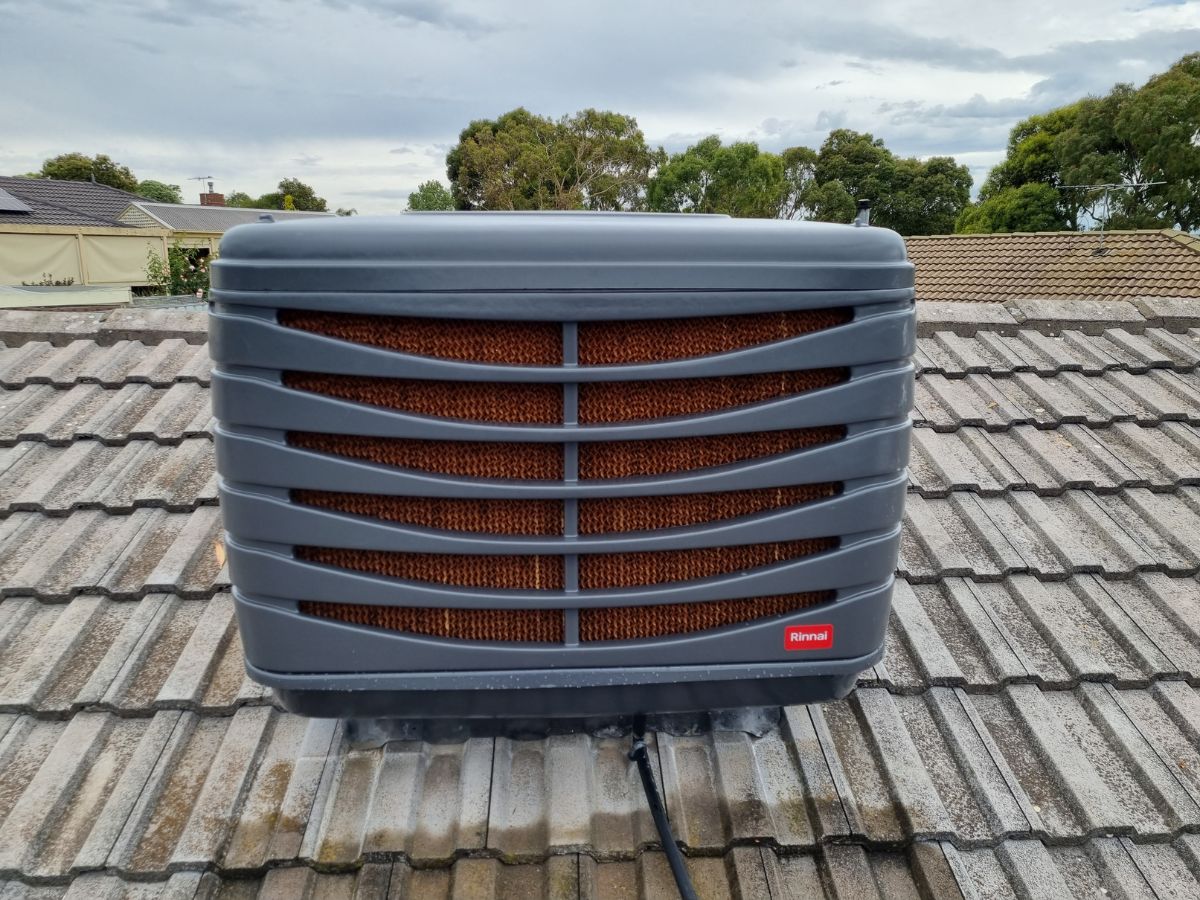
When and Where Evaporative Coolers Work Best
Evaporative coolers excel in certain weather conditions but might not work as well in others.
Ideal climate conditions
Hot and dry environments with low humidity levels create perfect conditions for evaporative cooling. These systems deliver their best performance when relative humidity stays below 40%. The cooling power drops once humidity goes above 50%, and you won’t get much cooling benefit in places where humidity exceeds 70%.
Why they’re perfect for Adelaide
Adelaide provides ideal conditions for evaporative cooling systems. Summer brings low humidity levels that mean water evaporates quickly. Using evaporative coolers in Adelaide gives you:
- Lower power bills compared to split-system air conditioning, since evaporative systems don’t need energy-hungry compressors
- Better indoor air quality because fresh air keeps moving
- Natural removal of dust, allergens, and airborne particles
Humid environments pose challenges
Evaporative coolers simply don’t work as well in humid areas. This occurs because humid conditions narrow the gap between wet- and dry-bulb temperatures, limiting how much the air can cool. Split-system air conditioning works better in places like Queensland and the Northern Territory that stay humid most of the time. 
Evaporative Cooler vs Air Conditioner
Knowing the differences between evaporative coolers and split-system air conditioners helps you pick the right system for your home.
Cooling method
Evaporative coolers cool the air naturally through evaporation, while split-system air conditioners use refrigerant gases and compressors to transfer heat from indoor air and release it outside. They also need different airflow setups. Split Systems recycle the air, meaning you need to keep windows and doors shut. Evaporative cooling systems need airflow to give you a constant stream of fresh, outdoor air.
Energy and water usage comparison
There’s a big power usage gap between these two systems. Evaporative coolers only need enough power to run a fan and water pump, while split systems need enough juice to power compressors and cooling systems. On the other hand, evaporative coolers use more water – up to 10 litres an hour. Split-system air conditioners don’t use any, but they need much more electricity.
Maintenance
Maintenance needs are similar across both systems. Filters and cooler pads need cleaning regularly, and both systems need an annual professional service to maintain optimal performance.
Running costs
Yearly costs show clear differences. Some evaporative cooler systems could set you back as little as $20-30 annually, while a split-system air conditioner could cost $400 or more. 
Top benefits of using an evaporative cooling system
Learn what makes evaporative coolers a space choice for Adelaide homes.
Lower energy bills and eco-friendliness
Evaporative coolers use up to 75% less electricity than split-system air conditioners. They also only produce about 20% of the carbon emissions compared to standard refrigerated systems. Water replaces chemical refrigerants in these systems, making them a more environmentally responsible choice.
Healthier indoor air quality
Your indoor air quality improves significantly with evaporative coolers. These systems:
- Filter incoming air through wet cooling pads that trap dust, pollen, and other airborne particles
- Add beneficial moisture to dry air that helps prevent irritated throats and dry skin
- Keep your air fresh by avoiding stale indoor air recirculation
Great for open-plan and outdoor living
Adelaide’s outdoor lifestyle pairs perfectly with evaporative cooling. These systems cool open areas effectively where split-system air conditioning struggles. Your home gets natural airflow because they work best with open doors and windows, meaning you don’t have to shut yourself inside on hot summer days.
Get a Quote From the Experts in Evaporative Coolers in Adelaide
Evaporative cooling makes perfect sense for Adelaide homeowners who want the quickest way to control their home’s climate. These systems use water’s natural cooling properties to create a comfortable indoor environment, giving you a budget-friendly option that works great during hot, dry summers. The team here at Air Conditioning Doctor are experts at what we do, and we’ve got decades of combined experience and extensive technical knowledge to help us find the perfect evaporative cooler system for your home. Get in touch today to learn how much you could save on your next power bill.
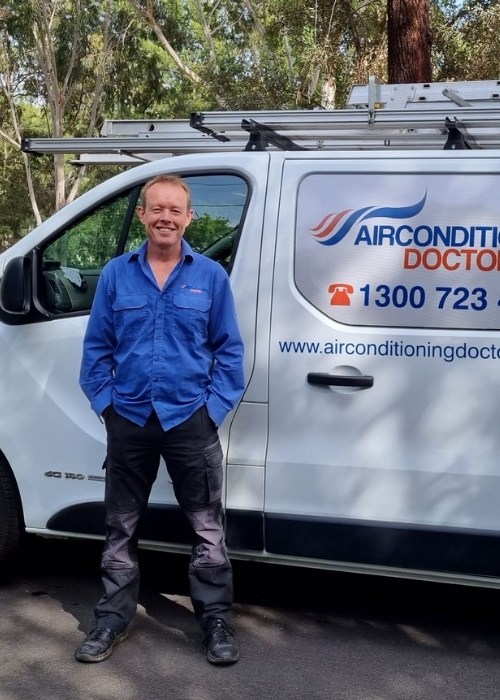
Stephen Maitland is the Director of Air Conditioning Doctor and has over 20 years of experience in the refrigeration and air conditioning industry. He founded the company in 2007 to be Adelaide’s leading air conditioning repair, replacement and installation specialist.
As a certified Refrigeration Mechanic with a full unrestricted ARC license, his technical knowledge and years of experience allow him to diagnose problems quickly and offer practical and efficient solutions for his customers.
